In healthcare facilities, flooring is more than just a surface to walk on—it plays a crucial role in maintaining hygiene, ensuring safety, and supporting efficient operations. Hospitals experience constant foot traffic, exposure to harsh chemicals, and strict sanitation requirements, making high-performance floor coatings an ideal solution.
Whether it’s an epoxy, polyurethane, or other specialized coating, these flooring solutions offer numerous advantages that make them essential in hospital environments. Let’s explore the key benefits of using floor coatings in healthcare facilities.
- Hygiene & Infection Control
Maintaining a sterile environment is one of the highest priorities in hospitals. Unlike traditional flooring with seams and grout lines that can harbor bacteria, seamless floor coatings prevent microbial growth. Their non-porous nature makes it easier to sanitize and disinfect, helping hospitals meet stringent infection control standards. - Resistance to Chemicals & Stains
Hospital floors are exposed to a variety of chemicals, including disinfectants, medications, and bodily fluids. A high-quality floor coating provides excellent resistance to these substances, preventing stains, corrosion, and deterioration over time. This ensures a longer-lasting and cleaner-looking floor. - Slip Resistance & Safety
Safety is critical in any healthcare setting, where patients, staff, and visitors are constantly moving. Floor coatings can be customized with slip-resistant additives to reduce the risk of falls, especially in areas prone to spills, such as surgical rooms, emergency departments, and restrooms. - Durability to Withstand Heavy Traffic
Hospital floors must endure the constant movement of patients, staff, medical equipment, and rolling carts. Coatings like epoxy and polyurethane offer superior durability, resisting abrasions, impact, and daily wear and tear. This extends the life of the flooring, reducing the need for frequent repairs or replacements. - Easy Maintenance & Cleaning
With no grout lines or seams, coated floors are much easier to clean and maintain. Hospitals require frequent sanitation, and smooth, seamless coatings make it easy to mop, disinfect, and maintain a sterile surface with minimal effort. This reduces labor costs and helps facilities comply with health and safety regulations. - Fast Installation with Minimal Downtime
Hospitals operate 24/7, so shutting down areas for extended flooring installations isn’t always an option. Many coatings are designed for quick installation and fast curing, allowing floors to be ready for use in a short period. This minimizes disruptions and keeps hospital operations running smoothly. - Aesthetic Appeal & Professional Look
A hospital’s environment can impact patient experience and perception of care. Floor coatings come in various colors and finishes that can enhance the facility’s aesthetic while maintaining a clean and professional look. Bright and well-maintained floors contribute to a welcoming atmosphere for both patients and staff. - Moisture & Chemical Barrier
Moisture infiltration can lead to flooring failures, mold growth, and structural damage. Coatings create a protective barrier that prevents water absorption and chemical penetration, ensuring the subfloor remains intact and safe from potential damage. - Cost-Effective in the Long Run
Although the initial investment in floor coatings may be higher than traditional flooring options, their long lifespan and low maintenance requirements make them a cost-effective choice over time. Hospitals save money on repairs, replacements, and frequent deep cleaning, making coatings a smart financial decision. - Compliance with Healthcare Regulations
Healthcare facilities must adhere to strict safety and hygiene regulations. Many floor coatings meet or exceed industry standards for slip resistance, fire safety, and environmental impact. By using compliant coatings, hospitals can ensure they meet all necessary regulations while providing a safe and sanitary environment.
Final Thoughts
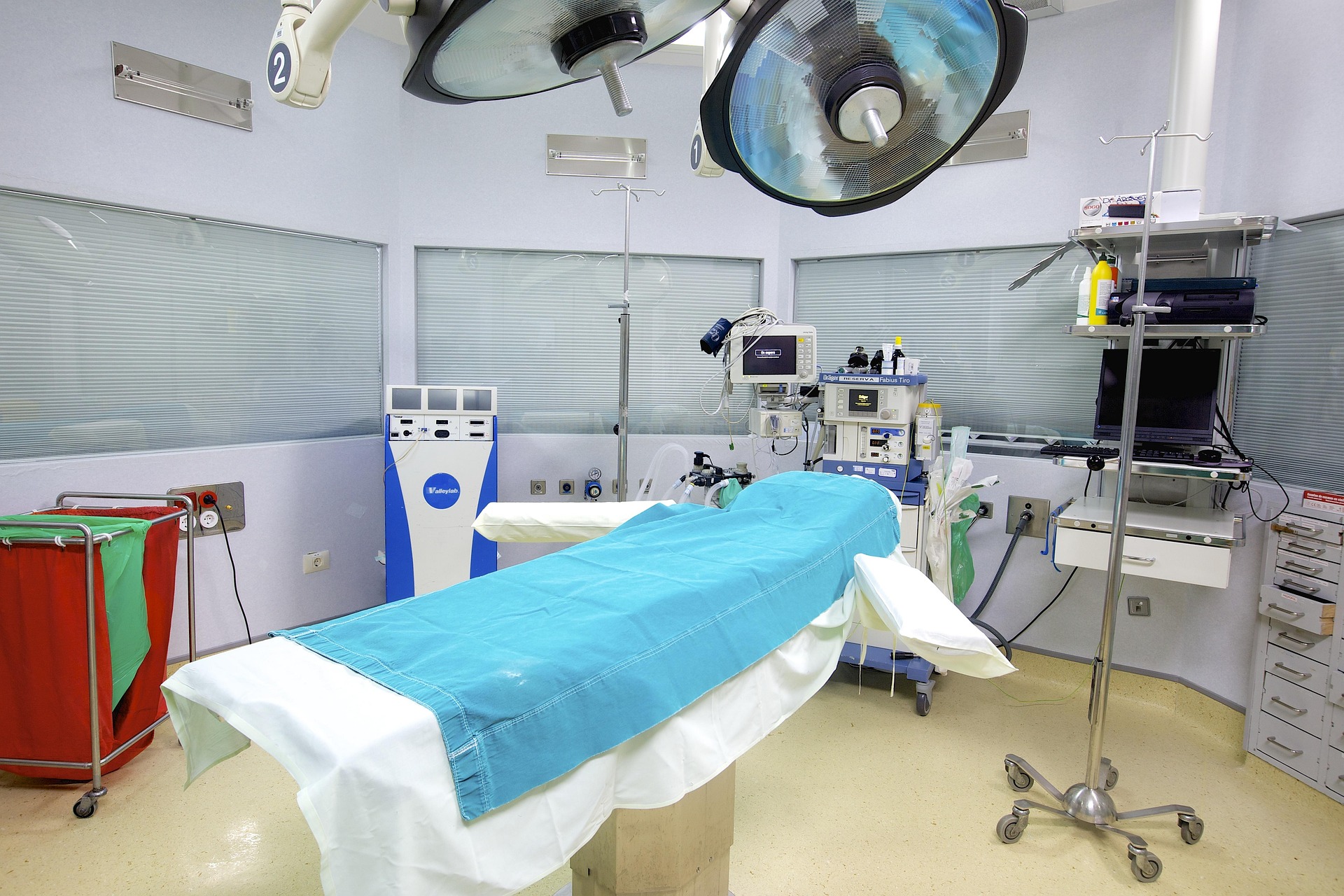
Floor coatings are a vital investment for hospitals, offering unmatched benefits in hygiene, durability, safety, and maintenance. Whether used in operating rooms, patient areas, hallways, or laboratories, high-performance coatings help healthcare facilities maintain a clean, safe, and efficient environment.
If you’re considering upgrading hospital flooring, investing in a professional-grade coating can make a significant difference in both short-term efficiency and long-term savings.
Would you like help choosing the best coating for your facility? Contact us today for expert guidance!