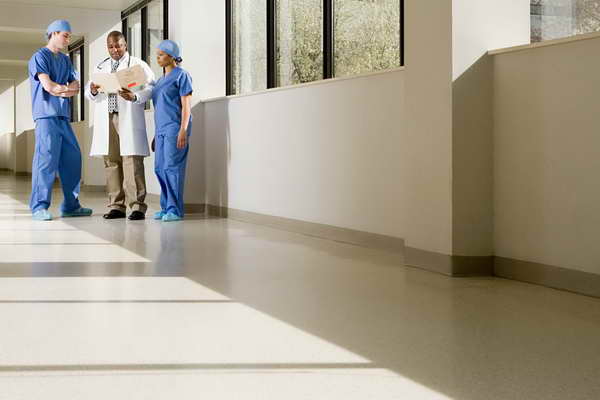
Hey there, if you’re a hospital admin or facility manager juggling high-traffic areas, you know how tough it is to keep floors looking good and functioning well. Spills, heavy carts, constant foot traffic—it’s a lot. That’s why picking a solid flooring system matters. In this post, we’ll chat about what makes hospital flooring last, stay clean, and keep everyone safe. We’ll draw from real insights on systems like those from Paveman Coatings, focusing on hospital flooring solutions that save time and money down the line.
Let’s start with the big one: longevity. Hospitals aren’t like homes; your floors see nonstop action. You need something that won’t chip, crack, or fade after a few years. Think epoxy or polyurea-based systems. These are tough coatings that bond to concrete and handle the daily grind. For example, in hallways or patient rooms, a well-installed epoxy floor can last 10-15 years with proper care. It’s not just about slapping on a coat—it’s about prepping the surface right, so it adheres perfectly and resists wear. Imagine cutting replacement costs by half because your floor holds up through renovations and heavy use.
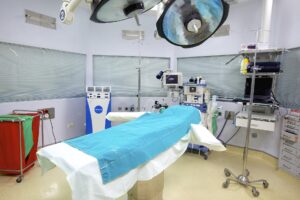
Next up, cleanability. In a hospital, sanitation is non-negotiable. Germs don’t take days off, so seamless floors are key. No grout lines or cracks where bacteria can hide. Seamless systems like poured epoxy create a smooth, non-porous surface that’s a breeze to mop and disinfect. Add in UV resistance, and you won’t deal with yellowing from harsh cleaners. For busy spots like operating rooms or waiting areas, this means less downtime for deep cleans and more focus on patients. Paveman Coatings, for instance, specializes in these custom setups that meet health codes while being super easy to maintain.
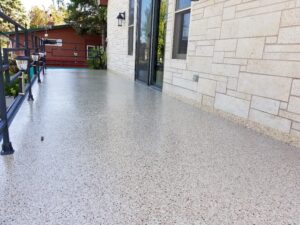
Safety can’t be overlooked either. Slips and falls are a real risk, especially with wet floors from spills or mops. That’s where traction additives come in. You can mix in fine sand, aluminum oxide, or textured finishes to boost grip without making the floor hard to clean. It’s customizable—smoother for patient rooms where wheelchairs roll easy, grippier for entryways. These additives ensure compliance with safety standards like those from OSHA, giving you peace of mind.
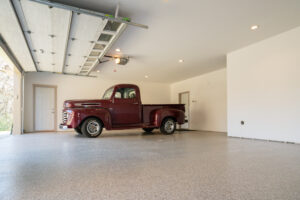
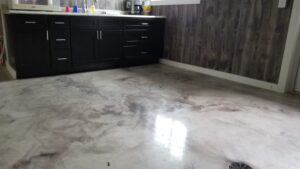
Now, customizing for different hospital spaces is where it gets interesting. Not every area needs the same treatment. In sterile zones like labs, go for chemical-resistant polyurea that’s quick to cure and handles harsh substances. For lobbies or cafeterias, add some style with color flakes or metallic effects—still durable, but welcoming. Paveman Coatings in Rochester, MN, tailors these for commercial spots, ensuring the system fits your budget and layout. They assess your concrete base, fix any cracks, and layer on protection that seals out moisture too, preventing mold issues.
Investing in the right flooring pays off big. Sure, upfront costs might seem high, but think about the savings: fewer repairs, lower cleaning bills, and extended life. A good system reduces slip incidents, which cuts liability. Plus, it boosts the hospital’s look, making it feel modern and cared for. When choosing, look for pros with experience in healthcare installs—they know the regs and can guide you on warranties.
Wrapping up, focus on longevity, seamlessness, cleanability, and safety when selecting hospital flooring. Systems from trusted names like Paveman Coatings make it straightforward. Ready to upgrade? Chat with local experts to get a quote tailored to your space.